Projects
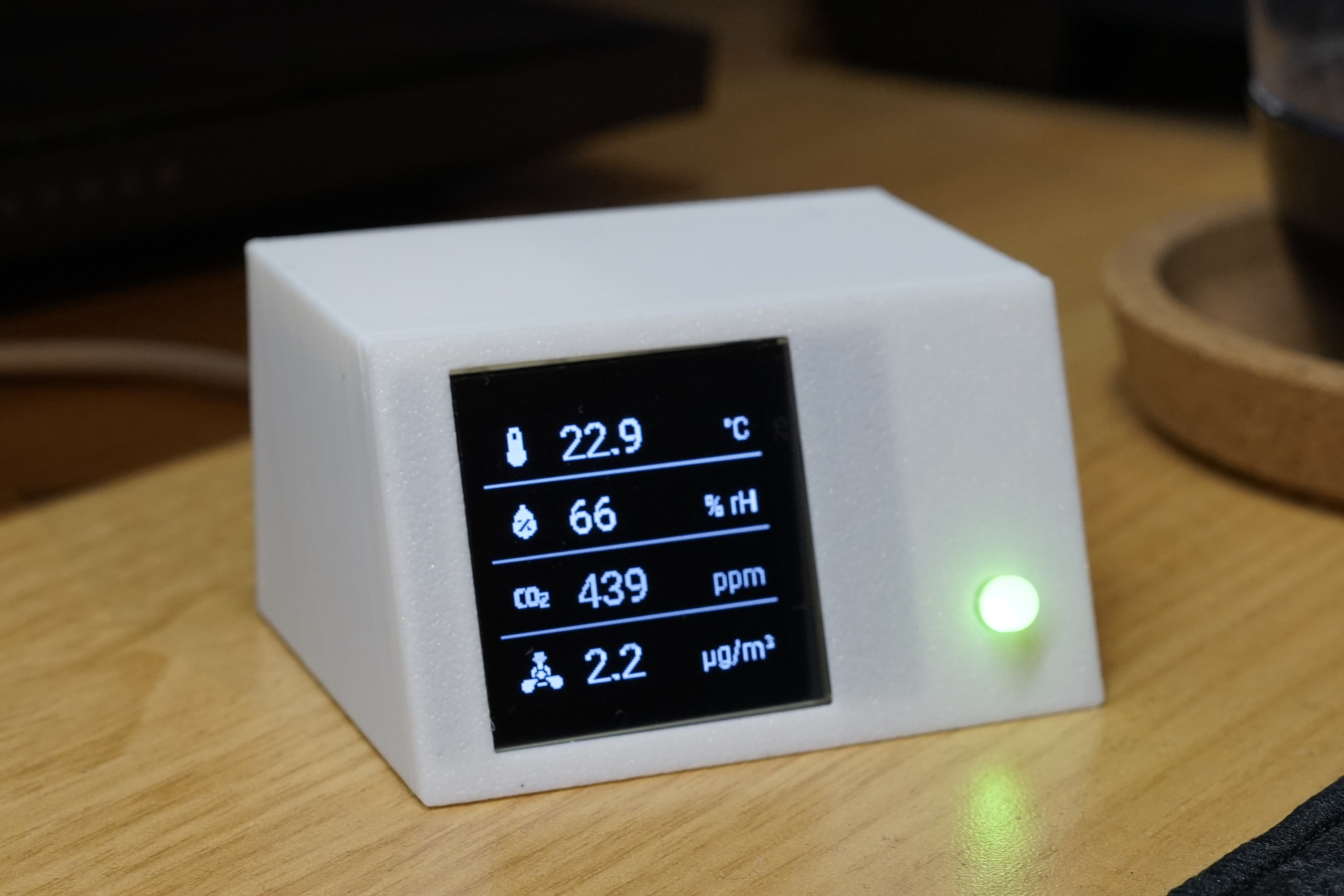
Desk Display for Environmental Monitoring
Short description:
Designed and built a compact environmental monitoring display for my desk, providing real-time visibility of temperature, humidity, CO₂, and particulate matter data from a separate monitoring station. The project combines ESPHome and Home Assistant integration with custom embedded UI design, iterative CAD development in FreeCAD, and rapid 3D-print prototyping.
More Details:
Embedded Display & Home Assistant Integration
Developed a compact desk display based on an ESP8266 Wemos D1 Mini, chosen for its strong price-to-performance ratio and compact form factor. The device retrieves environmental sensor data provided as entities through Home Assistant and displays temperature, humidity, CO₂ concentration, and particulate matter on a 128×128 monochrome OLED display. All relevant information is presented simultaneously on a single screen using a custom-designed layout, allowing the current room conditions to be checked at a glance.
Purpose-Built Visual CO₂ Indicator
Implemented an RGB LED as an ambient air-quality indicator based on the current CO₂ level. Instead of using a continuous color gradient, the system deliberately uses three discrete states: green, yellow, and red. This design decision makes state changes immediately noticeable in peripheral vision. A sudden transition between colors is significantly easier to recognize than a gradual color change, providing an intuitive reminder when it is time to ventilate the room.
Custom CAD Design & Iterative Prototyping
Designed the complete enclosure specifically for this project using FreeCAD, making it my first full CAD project. The design went through multiple iterations to optimize component placement, fit, and overall appearance. Rather than repeatedly printing the complete enclosure, individual components were prototyped separately to reduce material usage and iteration time.For example, individual prototypes were created for the enclosure frame, the mounting system for the Wemos D1 Mini, and the RGB LED holder. A dedicated test piece containing multiple hole diameters was designed and printed to determine the optimal LED fit, ensuring that it remained securely mounted without being compressed or slipping.
Manufacturing Tolerances & Physical Iteration
One of the main practical challenges was compensating for differences between CAD dimensions and the actual dimensions produced by the 3D printer. Components designed with exact measurements could differ by several tenths of a millimeter after printing, requiring additional iterations and dimensional adjustments. This introduced practical experience with manufacturing tolerances and demonstrated the importance of validating digital designs against real-world physical results.
From Breadboard Prototype to Finished Product
The project originated from a functional display prototype that had already been running for several months on a breadboard. The goal was to transform this temporary setup into a compact and visually integrated device suitable for permanent use on a desk. The final enclosure hides the internal wiring and soldered connections while providing a significantly cleaner and more polished appearance than the original prototype.Tech Stack
- Embedded / IoT: ESP8266, Wemos D1 Mini, ESPHome
- Integration: Home Assistant
- Display: 128×128 OLED, SSD1306 over I²C
- Hardware: RGB LED, soldered and wired component integration
- CAD & Prototyping: FreeCAD, 3D Printing
Key Achievements
- Usability: Transformed environmental data from a hidden monitoring station into an always-visible, compact desk display.
- UX Design: Designed a discrete RGB state system that makes CO₂ threshold changes immediately noticeable through peripheral vision.
- Rapid Prototyping: Reduced material waste and iteration time by testing individual enclosure components instead of repeatedly printing the complete design.
- Engineering: Successfully compensated for real-world 3D-print manufacturing tolerances through iterative measurement and design adjustments.
- Product Development: Converted a long-running breadboard prototype into a purpose-built, permanently deployed device with a custom-designed enclosure.
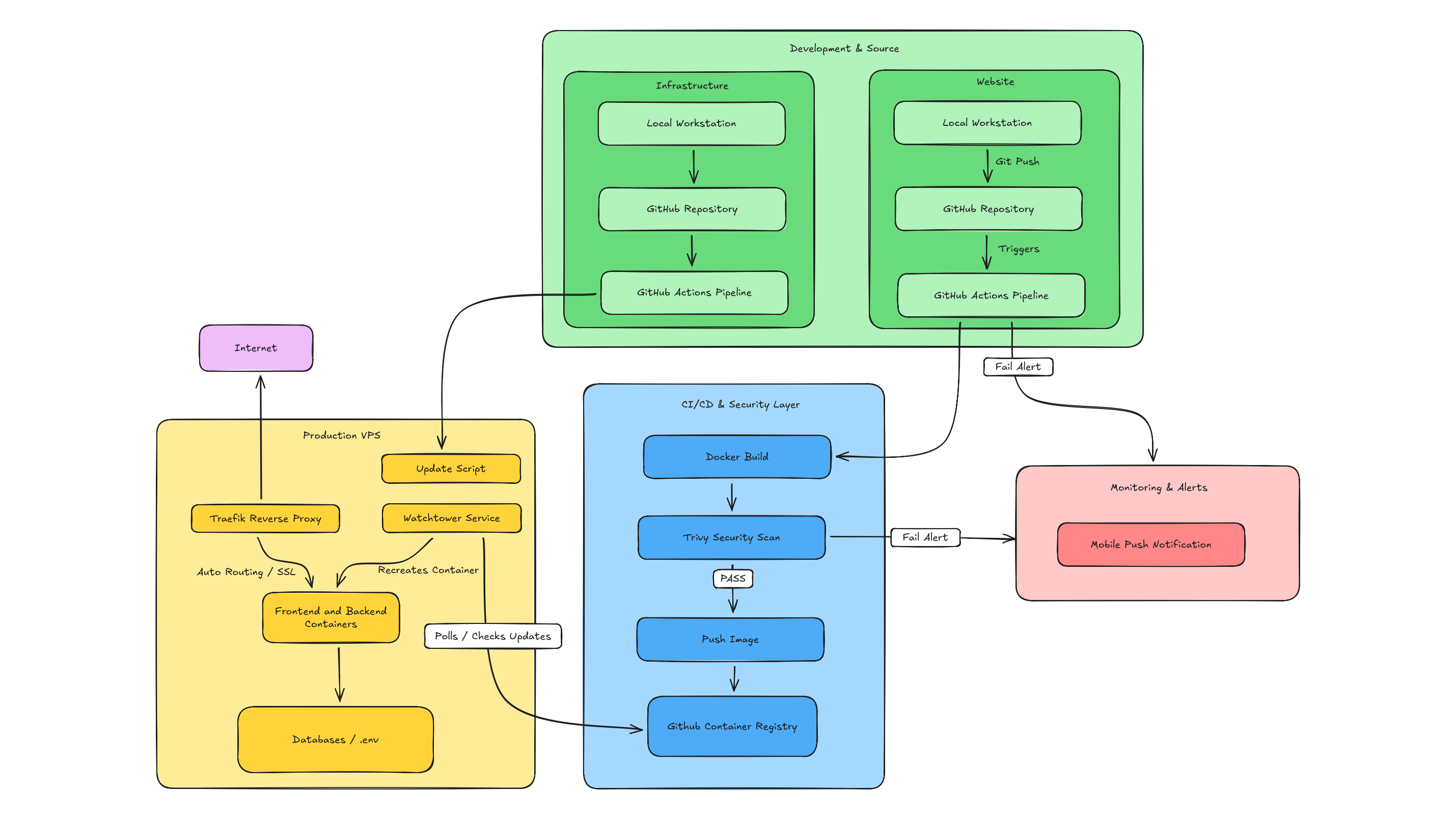
CI/CD Pipeline and Infrastructure as Code
Short description:
Developed a robust, automated deployment pipeline and container
orchestration system to eliminate manual intervention and enforce security best
practices. By leveraging GitHub Actions, Docker, and Security-Scanning tools, I
achieved a fully hands-off "Commit-to-Production" workflow with integrated
vulnerability management.
More Details:
CI/CD Pipeline & Container Orchestration
Implemented a streamlined pipeline using GitHub Actions. Upon merging to the main branch, the system triggers an automated build process, containerizes the application, and publishes the image to the GitHub Container Registry (GHCR).
Security-First Development (DevSecOps):
Integrated Trivy into the CI workflow to perform automated vulnerability scans on container images and dependencies. The pipeline employs a fail-fast methodology: if a high-risk vulnerability or CVE is detected, the deployment is automatically aborted, ensuring that only hardened, secure code reaches the production environment.
Automated Deployment & Zero-Downtime Strategy
Utilized Watchtower for automated image polling and lifecycle management on the remote VPS. Combined with Traefik as a dynamic Reverse Proxy, the architecture allows for seamless updates and the deployment of new microservices via subdomains without interrupting existing traffic.
Infrastructure as Code (IaC) & Versioning
The entire server infrastructure is managed as code within a dedicated repository. By using a centralized Docker Compose structure with modular includes, the environment remains highly maintainable and version-controlled, allowing for instant rollbacks and reproducible environments.
Real-time Monitoring & Incident Response
Configured automated alerting to provide instant mobile notifications for pipeline failures, ensuring high availability and rapid MTTR (Mean Time To Recovery).Tech Stack
- CI/CD / DevOps: GitHub Actions, GHCR, Watchtower
- Security: Trivy (Vulnerability Scanning)
- Infrastructure: Docker, Docker Compose, Traefik (Reverse Proxy)
Key Achievements
- Efficiency: Reduced deployment time from minutes of manual CLI work to zero-touch automation.
- Security: Blocked 100% of known vulnerable dependencies from reaching production through automated gating.
- Scalability: Modular configuration allows adding new services with a single line of code in the global compose file.
Automotive IoT: Reverse-Engineering & Telemetry Integration
Short description:
Developed an end-to-end hardware-to-cloud IoT pipeline to extract, securely transmit, and visualize real-time vehicle diagnostics from a legacy CAN-Bus network. By combining custom hardware isolation, LLM-driven differential data analysis, and encrypted WAN routing, I achieved a fully automated telemetry stream into a centralized smart dashboard.
More Details:
Physical Layer & Hardware Integration
Designed and implemented a 100% non-destructive, reversible hardware installation using a custom Quadlock passthrough adapter behind the vehicle's head unit. This allowed safe, isolated access to the 12V, GND, CAN High, and CAN Low communication lines without altering factory wiring. The signals were routed to a secondary OBD-II port acting as a physical-to-digital bridge via a WiCAN Pro hardware transceiver.
Smart Reverse Engineering & Differential Analysis
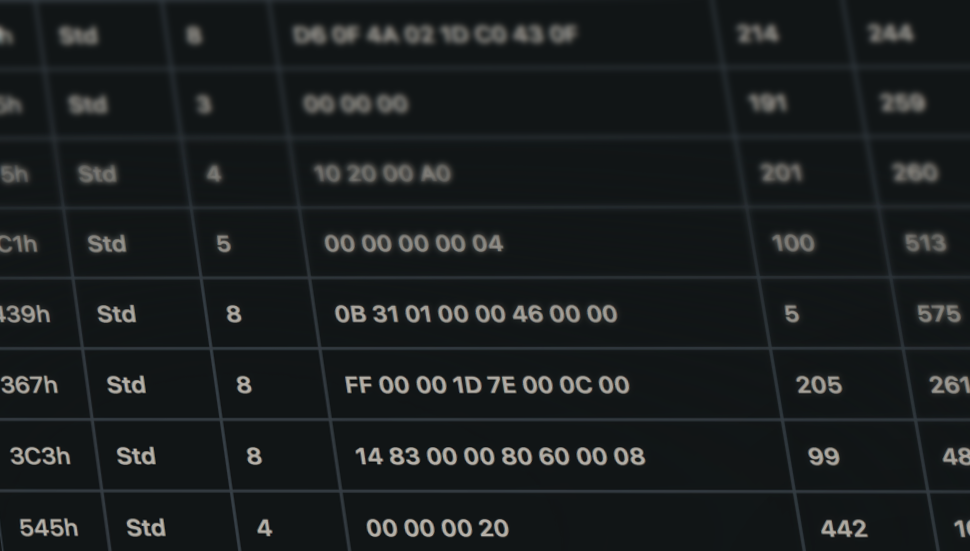
Replaced traditional, time-consuming manual byte monitoring with an advanced AI-assisted engineering workflow. Baseline CAN frame dumps were captured under varying operational states and processed using a Large Language Model (LLM) for pattern recognition. This successfully isolated proprietary CAN IDs, endianness (Little Endian), byte configurations, and scaling factors. Hardware-level acceptance masks and filters were then deployed to block bus noise at the edge.
Secure WAN Telemetry & Network Automation
Established a robust edge-to-cloud wide-area network path to ensure continuous data transmission outside local Wi-Fi range. An automated script triggers a smartphone hotspot instantly upon Apple CarPlay connection. The WiCAN Pro automatically connects to this link, routing lightweight MQTT telemetry payloads through an encrypted WireGuard VPN tunnel on a public VPS directly to the local home automation instance.
Full-Stack IoT Dashboard & Parsing
Configured custom YAML parsing at the ingestion layer to convert raw, filtered CAN-Bus payloads into accurate entity states and functional variables. The resulting telemetry metrics (such as fuel level and odometer readings) are displayed in real-time on a localized Home Assistant dashboard, enabling seamless system automation and historical data tracking.Tech Stack
- Hardware & Protocols: CAN-Bus, OBD-II, WiCAN Pro, Custom Quadlock Passthrough
- Networking & Security: WireGuard VPN, VPS, MQTT, Edge-Filtering / Masking
- Automation & Analysis: Home Assistant, LLM Pattern Recognition, Apple CarPlay / iOS Shortcuts
Key Achievements
- Innovation: Accelerated proprietary protocol decoding by combining differential data harvesting with LLM pattern recognition.
- Security & Protection: Ensured complete vehicle asset protection with a 100% reversible physical installation and strict WireGuard network encapsulation.
- Full-Stack Fluency: Successfully bridged the gap between low-level automotive physical layers, secure cloud networking, and high-level home automation ecosystems.
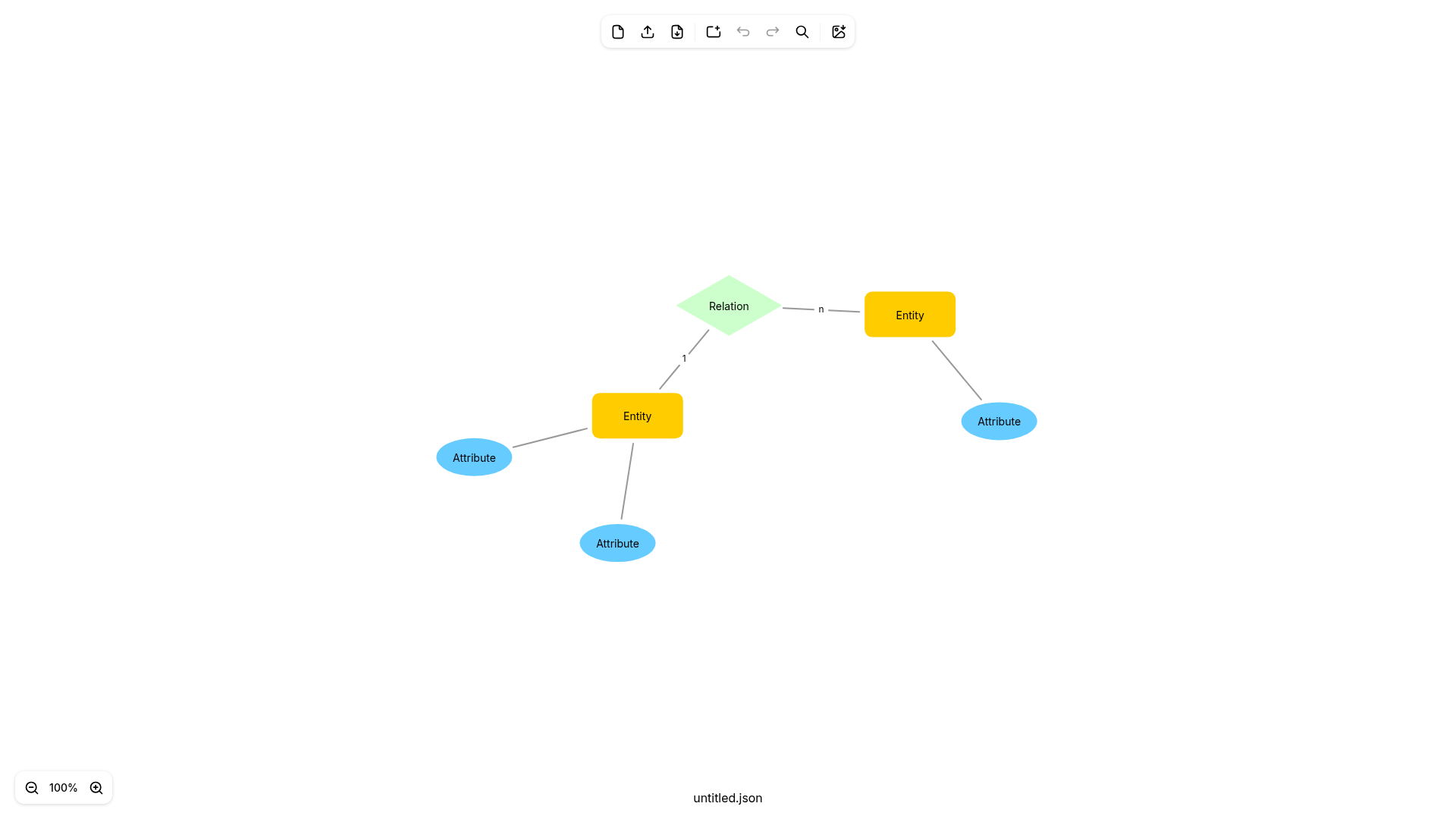
ERM - Editor
Short description:
I have developed an editor for entity relation ship diagrams.
With d3.js i made sure that the elements that make up the diagram are automatically
arranged appropriately, making it extremely easy to work on a diagram. You can try
it out here.
Control lamp over WIFI
Short description:
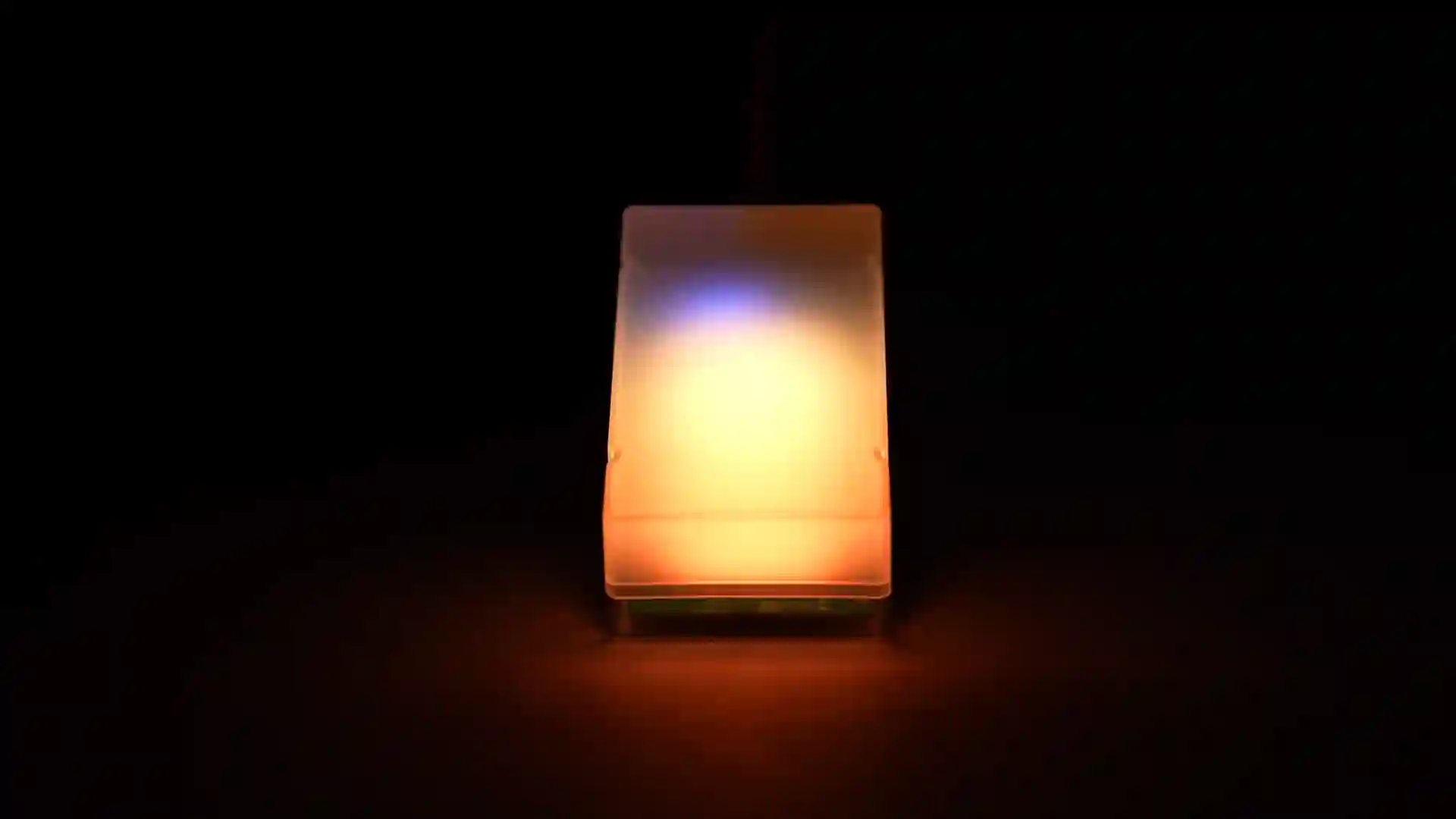
In this project i created a small library to control a lamp
wirelessly using Python code over a WiFi network. With simple code commands, users
can
turn the lamp on/off, adjust brightness levels, change the color and schedule
automatic
operations. This project offers convenience, flexibility, and automation
possibilities
for lamp control within a network environment.
Spotify Stats PWA
Short description:
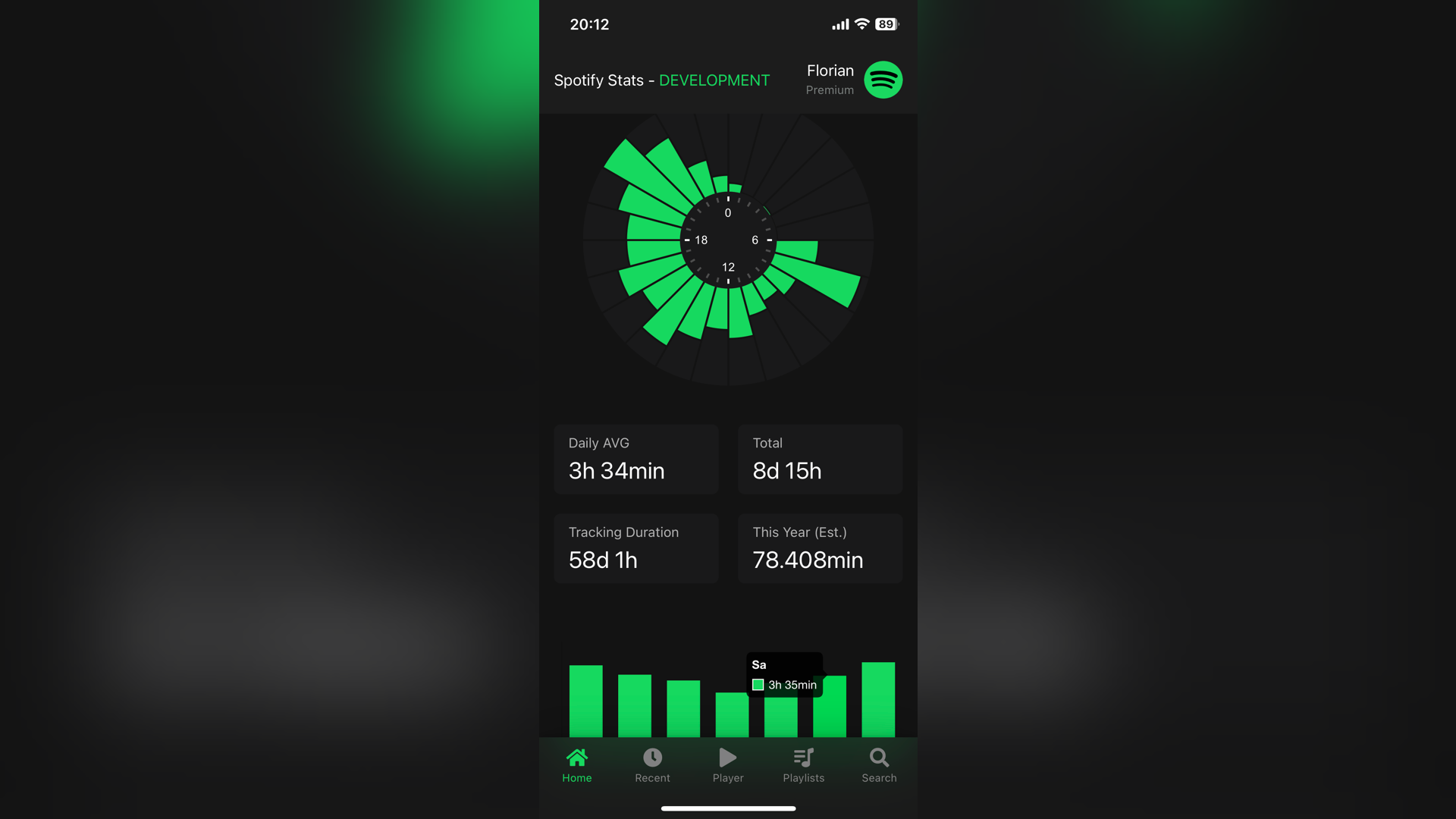
In this project, I developed a Progressive Web Application (PWA)
that integrates with Spotify by using its API. By connecting their Spotify account,
users can track their listening habits, and the app provides detailed statistics on
listening patterns, including the times when they typically listen to their favorite
songs.

Fire detection AI
Short description:
In this project, I developed an AI system to detect fires in
images using advanced machine learning techniques. The system utilizes a
convolutional
neural network trained on a diverse dataset to accurately identify fire patterns,
offering a promising solution for enhancing safety and efficiency in fire detection
across various domains.
AI Terminal
Short description:
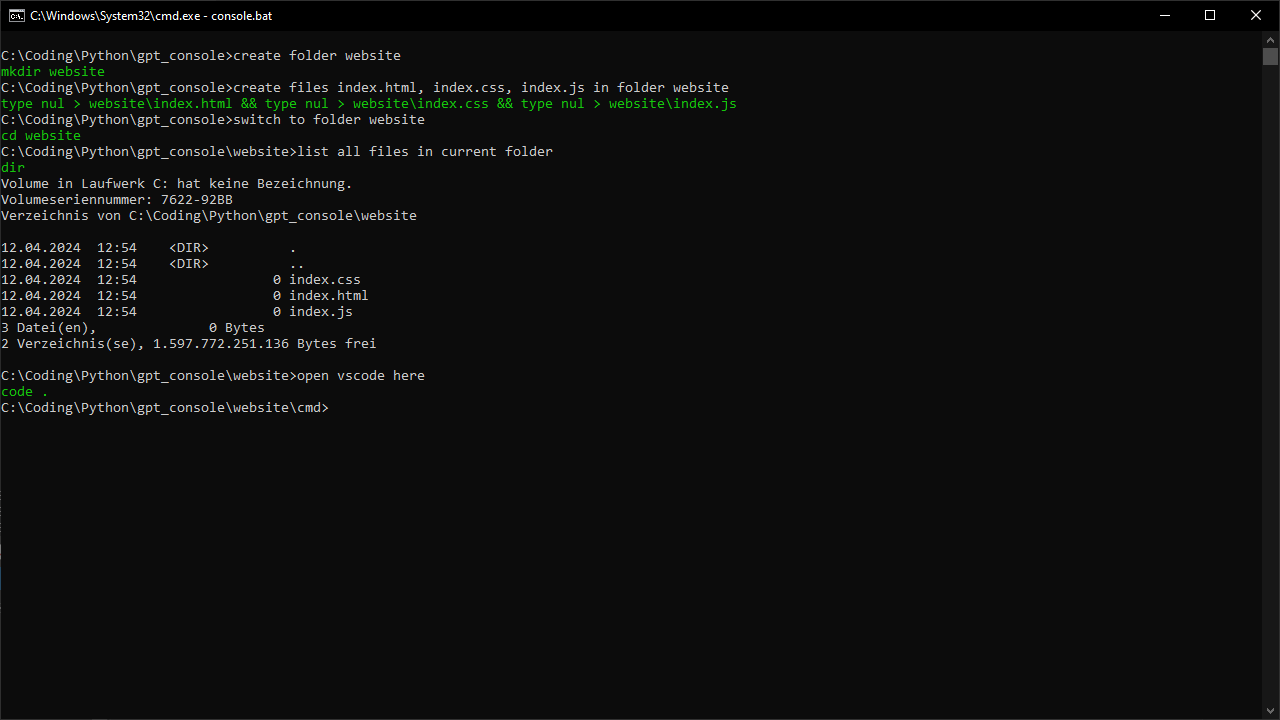
This project focuses on developing a console application that
leverages OpenAI's GPT API to enhance the usability of the Windows Command Prompt
(CMD) by integrating natural language processing capabilities. The application enables
users to interact with CMD using natural language commands, eliminating the need
to memorize specific command syntax.
Progressive Web Application
Short description:
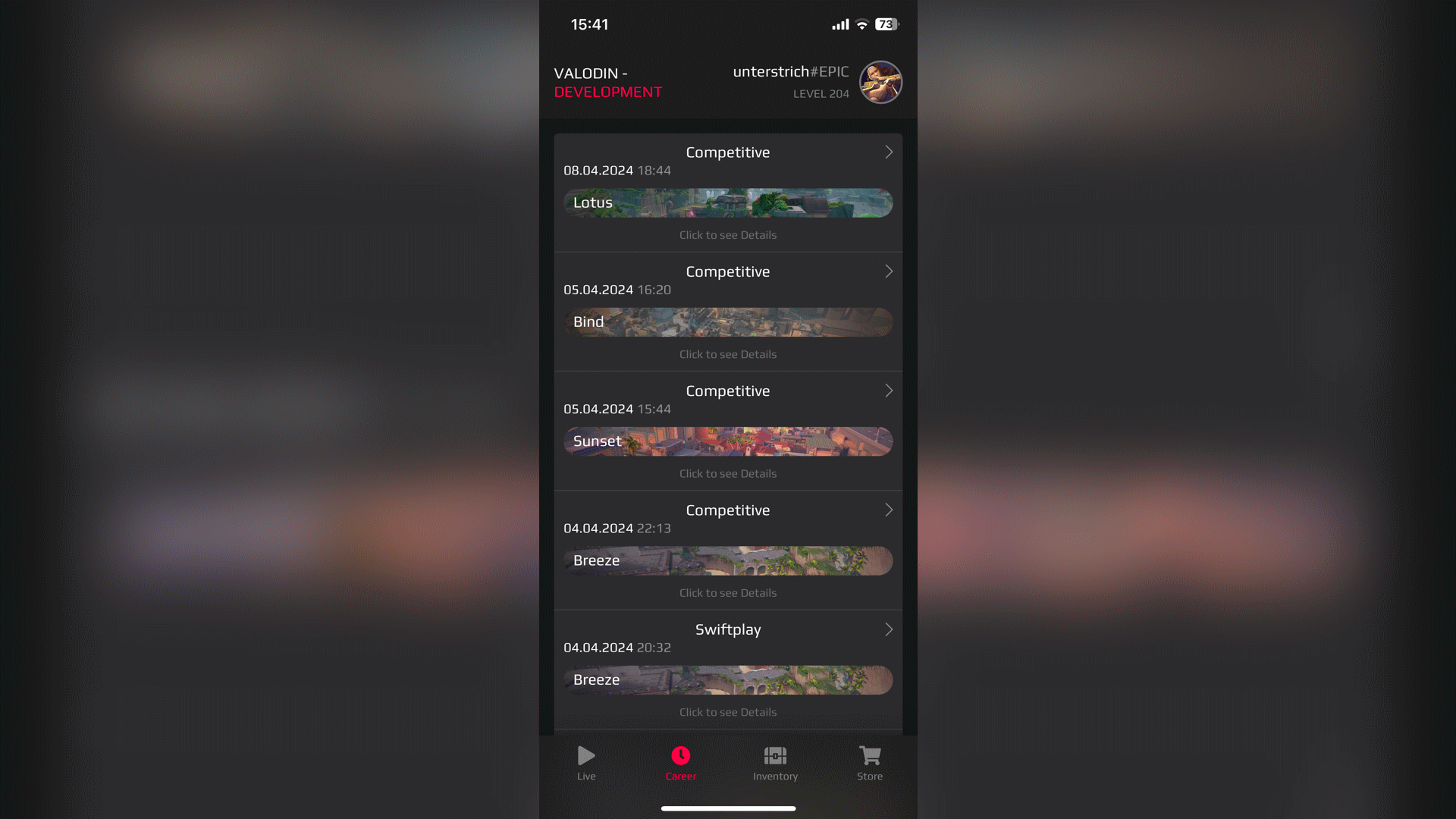
I developed a Progressive Web Application (PWA) that provides
real-time statistics for the popular game Valorant. Users can access comprehensive
statistics, including player rankings, match histories or live data. They can also
perform certain actions from within the app.
Wikipedia Redesign
Short description:
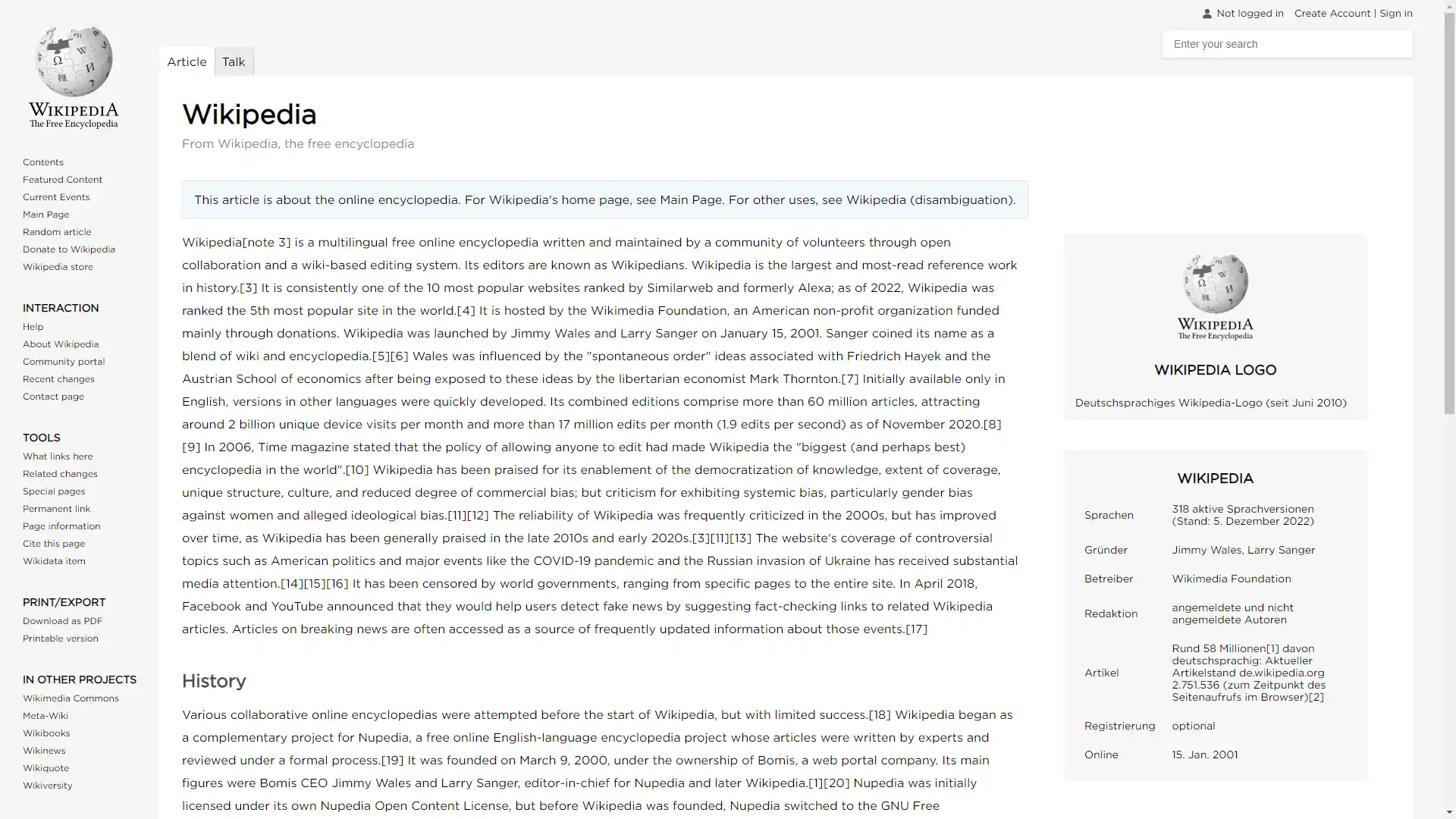
This project introduces a browser extension designed to
modernize the appearance of Wikipedia. By implementing aesthetic enhancements,
such as updated fonts and layout adjustments, the extension aims to provide users
with a more visually appealing and contemporary browsing experience on the
platform while staying true to its original design. This project offers a simple
yet effective solution for those seeking to refresh the interface of Wikipedia,
enhancing usability and engagement for readers and researchers alike.
Mailclient
Short description:
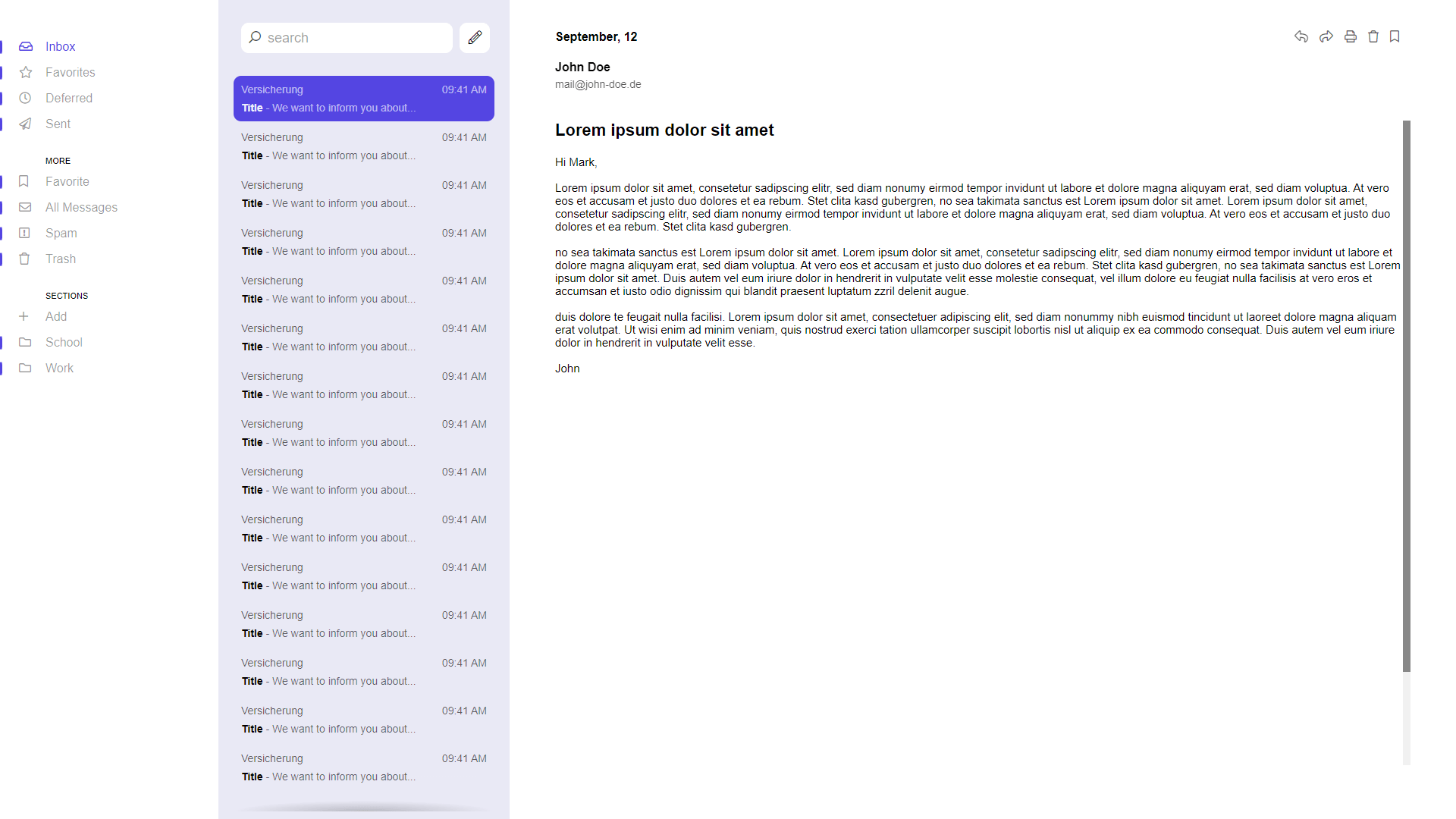
This project involved crafting an email client using HTML, CSS,
and JavaScript for the frontend interface, while employing Python for the backend
functionality. The client enables users to interact with their email accounts via
SMTP and IMAP protocols.
File explorer
Short description:
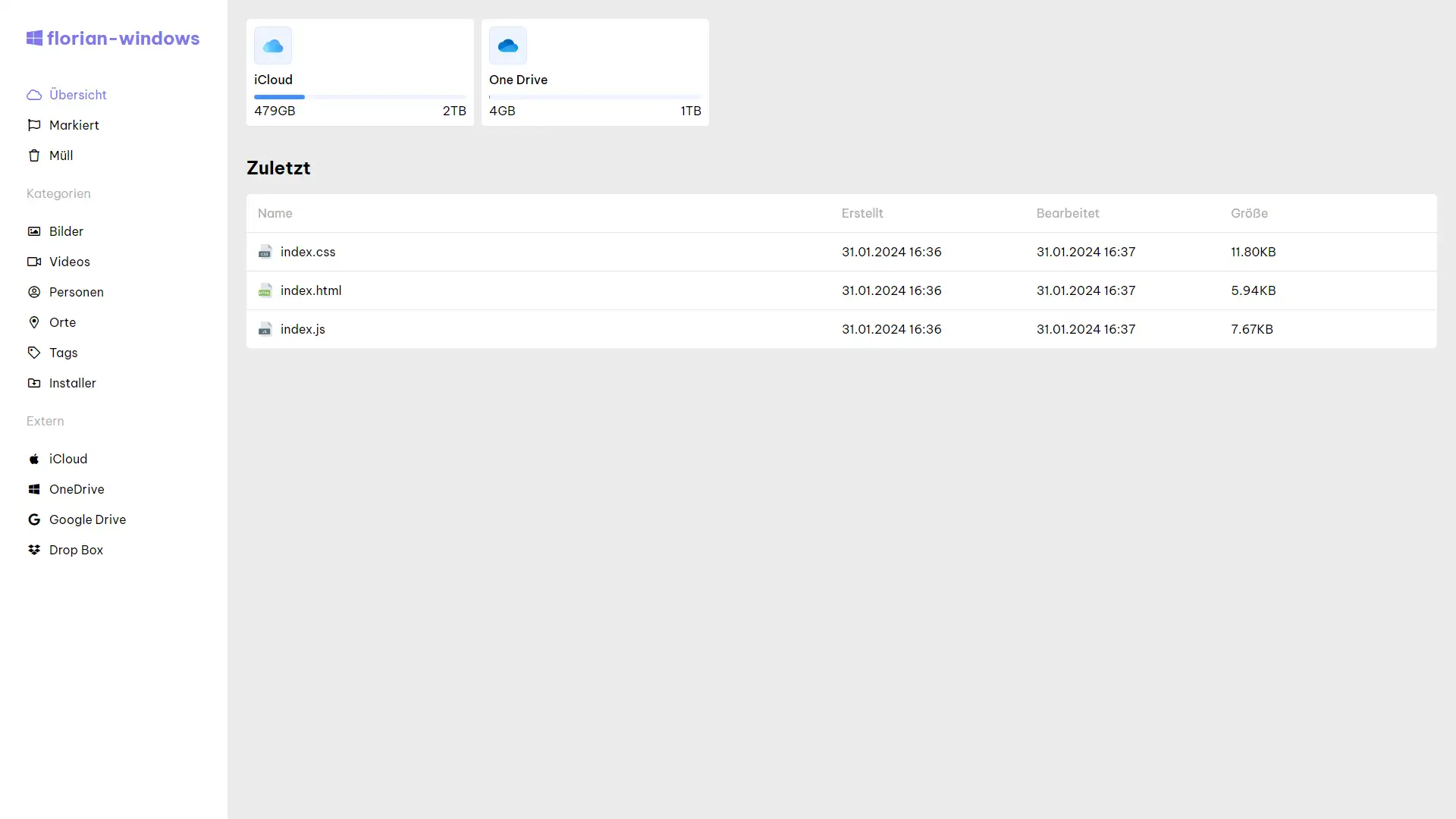
This project introduces a user-friendly
solution for accessing and managing files across devices within a network. With the
intuitive interface users can seamlessly
navigate and control their files from any other device in the same network. This
project aims to enhance productivity and streamline file management within network
environments.
Spotify Redesign
Short description:
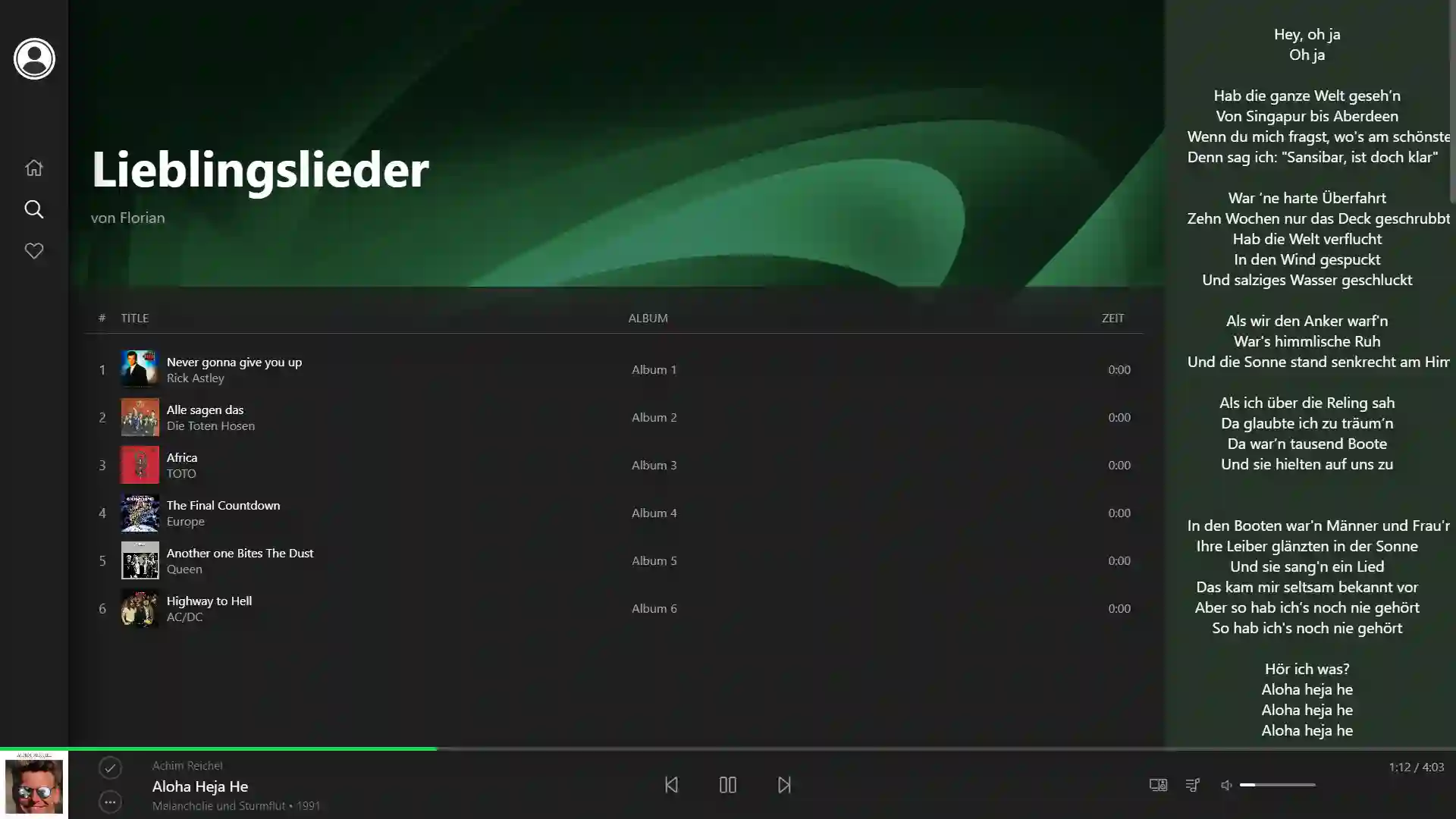
This design project focuses on reimagining the visual experience
of Spotify for users. The aim is to enhance user engagement and satisfaction by
creating a more intuitive, aesthetically pleasing, and personalized interface.